
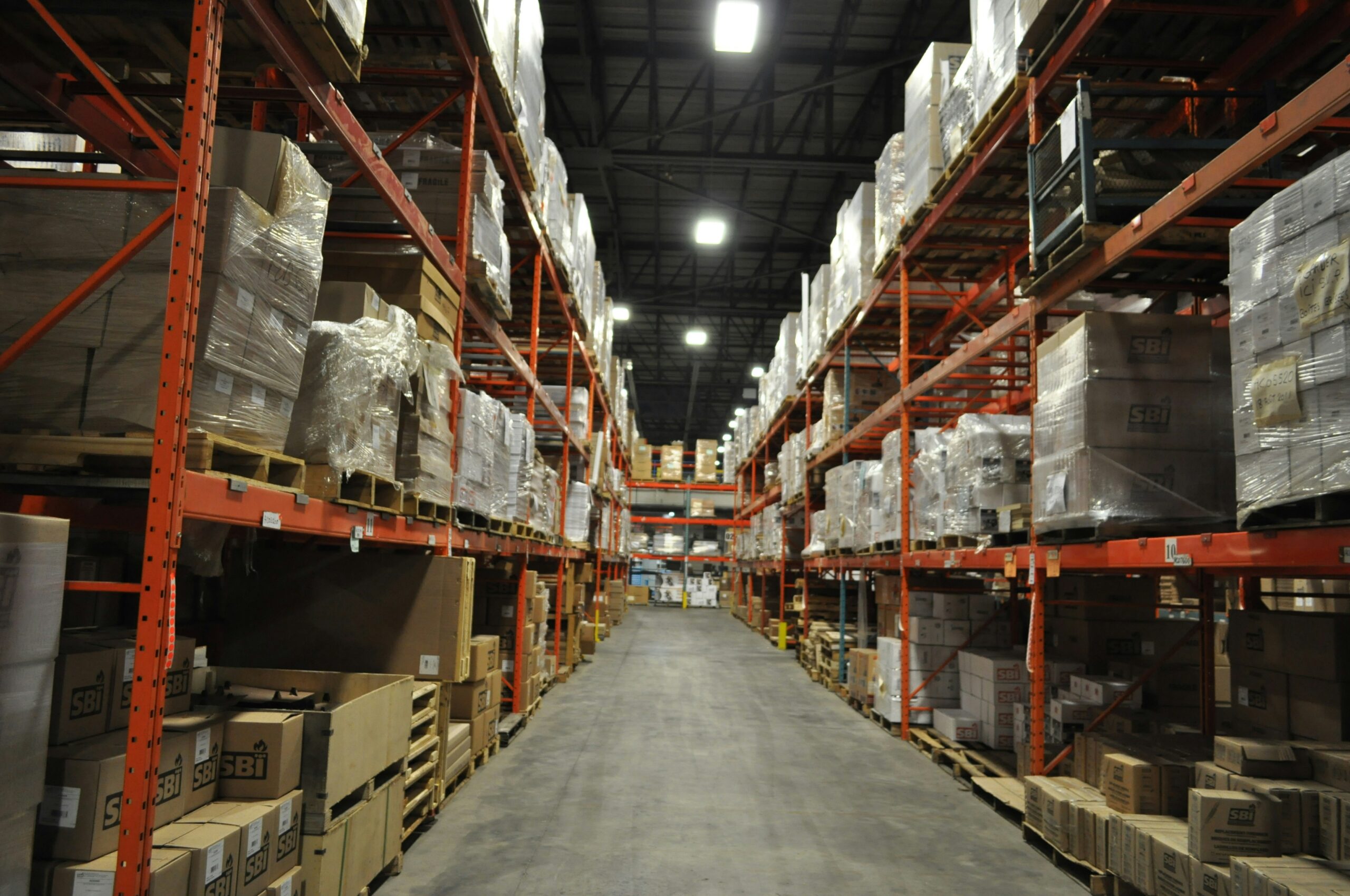
Beyond Storage – Logistics as Your Competitive Edge
For small and medium-sized enterprises (SMEs), efficient operations aren’t just about cutting costs; they’re about survival and growth in competitive markets. Where large corporations have vast resources to absorb logistical inefficiencies, SMEs must be smarter, more agile, and more strategic. Reliable warehousing and inventory management provide this strategic advantage, transforming what many consider a backend operation into a powerful engine for business growth, customer satisfaction, and market expansion.
Modern solutions have democratised supply chain capabilities that were once the exclusive domain of large enterprises. Today, cloud-based technologies and flexible logistics partnerships enable small businesses to compete on a playing field that was previously tilted against them. This article explores how optimizing these critical functions can become your secret weapon for sustainable business success.
The Critical Challenges Small Businesses Face
Before exploring solutions, it’s important to recognize the common inventory and warehousing problems that plague many small businesses:
-
Lack of Real-Time Visibility: Many SMEs struggle with blind spots in their inventory levels, leading to stockouts or overstocking that tie up crucial capital and storage space
-
Inefficient Order Fulfillment: Without streamlined processes, businesses face difficulties locating items and fulfilling orders promptly, resulting in delayed shipments and dissatisfied customers
-
Excessive Carrying Costs: Inaccurate demand forecasting often leads to unnecessary storage fees and spoilage costs, particularly damaging for businesses with limited cash flow
-
Inventory Shrinkage: Losses from damage, theft, or administrative errors directly impact profitability, yet many small businesses lack proper systems to monitor and manage shrinkage effectively
These challenges highlight a critical reality: as businesses grow beyond the startup phase, spreadsheets and manual processes quickly become inadequate, creating bottlenecks that hinder scalability.
Strategic Benefits of Optimized Systems
Implementing robust warehousing and inventory management systems delivers transformative benefits that extend far beyond the warehouse walls:
1. Enhanced Customer Satisfaction and Loyalty
Modern consumers expect fast, accurate deliveries without errors. Warehouse Management Systems (WMS) organize and automate critical tasks, enabling businesses to process orders faster and with fewer mistakes
. When customers receive their items quickly and correctly, they’re more likely to trust your brand, make repeat purchases, and become advocates for your business.
2. Significant Cost Reduction and Waste Minimization
Human errors in inventory management often lead to lost stock, overordering, or stockouts of crucial items
. Automated systems prevent these problems by ensuring you maintain optimal stock levels, reducing unnecessary costs associated with excess inventory or emergency replenishments. Some advanced systems even alert you to offer discounts or promotions to clear out stock before it becomes obsolete
3. Improved Scalability and Market Reach
Large corporations naturally operate on a global scale, while SMEs often struggle to expand beyond local boundaries. The right logistics solutions provide small businesses with access to broader markets without massive upfront investment in infrastructure
This enables SMEs to extend their reach regionally, nationally, or even internationally, opening new revenue streams that would otherwise be inaccessible.
4. Data-Driven Decision Making
Modern inventory systems provide real-time analytics and reporting tools that help predict future demand trends
. This moves decision-making from guesswork to strategic forecasting, allowing businesses to anticipate market shifts and align procurement with actual customer demand rather than intuition.
Modern Solutions Tailored for Small Businesses
Fortunately, technological advances have created affordable, scalable solutions designed specifically for SME requirements:
Warehouse Management Systems (WMS)
Contrary to common misconceptions, WMS solutions are now accessible and affordable for small businesses:
-
Cloud-Based Platforms: These operate on a subscription model that eliminates large hardware investments and offers flexible pricing plans suited to limited budgets
-
User-Friendly Interfaces: Modern solutions feature intuitive designs with simple setup processes and easy integration with e-commerce platforms, accounting software, and logistics providers
-
Mobile Accessibility: Many systems now offer mobile apps with barcode scanning capabilities, empowering teams to manage receiving, picking, packing, and shipping operations efficiently from handheld devices
Table: Leading WMS Options for Small Businesses
| System | Key Features | Best For | Pricing Model |
|---|---|---|---|
| Zoho Inventory | Multi-channel sync, automated reorder points, barcode scanning | Growing e-commerce businesses | Starts at $29/month, free plan available |
| inFlow Inventory | Barcode scanning, multi-location tracking, and purchase order management | Businesses transitioning from spreadsheets | One-time purchase or subscription |
| Fishbowl Inventory | Advanced manufacturing features, QuickBooks integration | Manufacturing and distribution companies | Higher investment (approx. $4,395 annually) |
| Cin7 Core | Omni-channel inventory control, demand forecasting, BOM tracking | Retailers and wholesalers with complex operations | Subscription-based |
Barcoding and Automation
Implementing a barcode system assists businesses of any size in managing inventory more effectively. Barcoding saves significant time and money while dramatically improving accuracy over manual data entry methods
Scanning products automatically updates inventory records, provides precise tracking, and reduces human error during receiving and fulfillment processes.
Affordable Logistics Partnerships
Third-party logistics (3PL) providers offer specialized expertise without the overhead of building in-house capabilities. The right logistics partner helps reduce barriers to entry into new markets by providing scalable solutions
. This flexibility allows small businesses to test new markets without extensive resource commitments, adjusting their approach based on real performance data.
Implementation Guide: Taking the First Steps
Transitioning to more sophisticated systems requires thoughtful planning:
-
Conduct a Vendor Audit: Begin by categorizing all suppliers based on products provided, including SKUs, descriptions, costs, selling prices, reorder levels, and lead times. Document this information in a format easily imported into your new system
-
Streamline Ordering Processes: Evaluate your consumption patterns, storage capabilities, reorder levels, and lead times. Create proper purchase orders with clearly documented fulfillment conditions to minimize mistimed orders
-
Establish QA and Receiving Protocols: Develop quality assurance checkpoints for incoming shipments, including random checks and verification of shipping details. Proper labeling that includes date of receipt, batch details, and storage location is essential for traceability and efficient management
-
Start with Critical Components: Rather than attempting a complete overhaul simultaneously, begin with the areas causing the most significant pain points—whether that’s inaccurate inventory counts, inefficient picking processes, or lack of demand forecasting.
-
Leverage Available Support: Many WMS providers offer step-by-step guides, training programs, and customer support specifically designed for users of all skill levels.
Government initiatives like Singapore’s Logistics Industry Digital Plan (IDP) also provide structured guides for SMEs to adopt appropriate digital solutions at each growth stage
Conclusion: Transforming Operations Into Opportunity
In today’s competitive business environment, efficient warehousing and inventory management are no longer optional luxuries for small businesses; they’re strategic necessities. The myth that these systems are too expensive or complex for SMEs has been shattered by cloud-based technologies, flexible pricing models, and user-friendly interfaces designed specifically for growing businesses.
By embracing these solutions, small businesses can transform their logistics operations from cost centers into powerful competitive advantages that drive customer satisfaction, reduce operational costs, and enable scalable growth. The question is no longer whether your business can afford to implement these systems, but whether it can afford not to.
Are you ready to unlock the potential of reliable warehousing and inventory management for your business? The first step toward transformation is often the simplest—assessing your current challenges and exploring solutions designed specifically for your growth trajectory.
Cemarax is committed to helping small businesses leverage technology for sustainable growth. Visit our resources section for more insights on operational excellence.